
A healthy relationship provides you with a foundation and support system to help you flourish as an individual. When relationships are good, they have the potential to help you become the best version of yourself. The converse is also true; an unhealthy relationship can break you, leaving you unable to function at your best, or sometimes even at all. Being able to discern between healthy and unhealthy relationships is a crucial life skill.
For a variety of reasons, a person can be oblivious to what makes a relationship good or unhealthy. Life experiences can shape your expectations and dull your sensitivity to unhealthy behaviors. One of the steps to overcome these unhealthy relationship patterns is to see them clearly for what they are, to begin undoing them.
What An Emotionally Abusive Relationship Looks Like
When someone emotionally abuses you, what that means is they have failed to treat you with the dignity, love, and respect that you deserve as a fellow human being. It’s not just that they’ve neglected treating you in this way, but they’ve done and said things that are contrary to that dignity, respect, and what love demands. In other words, emotional abuse is not just the absence of some things, but the presence of harmful words, actions, and attitudes.
You’d think it would be easy to tell if you’re in an abusive relationship, but things aren’t always that simple. One reason for this is that emotional abuse tends to break you down, and that includes your perceptions and judgment. That means that other people might see what’s happening, but you might not see it or find ways to justify it. This can be baffling to outsiders.
As you try to identify the emotionally abusive traits in your relationship, it helps to recognize these traits, as well as to pay attention to how you feel. If, for instance, you’re constantly feeling anxious, fearful, depressed, trapped in the relationship, or if you are questioning your memory or sanity, or you’re walking on eggshells around your partner, that could all point to an emotionally abusive relationship.
Some of the signs of emotional abuse to keep an eye out for include:
Isolation and control You’re isolated from family, friends, and other loved ones, and you’re forced to rely on your partner for emotional support and social interaction. They try to control your interactions with others, your actions, or your decisions.
As a part of control, your partner may also engage in excessive monitoring, whether in person or through social media, phone calls, and text messages, to ensure you’re acting or behaving in the way they want.
Manipulation and gaslighting An emotionally abusive partner may try to use shame, guilt, or fear to influence your actions or interactions with others. They may also deny the truth, twist facts, or place false blame, with the result that it makes you doubt your memory, sanity, or perceptions. This is known as gaslighting.
Manipulation can take place in other ways, including through mood swings. When your loved one has unpredictable mood swings, alternating between being aggressive and affectionate, for instance, that can also function to manipulate you and your reactions. It also creates an unstable home situation that doesn’t feel safe.
Threats and intimidation Instead of feeling like a safe place, an emotionally abusive relationship feels unsafe. One reason for this is that your loved one makes threats, whether direct or implied, that they will harm themselves, you, or a loved one. Such threats are often leveraged to manipulate your decisions or actions.
Constant criticism and belittling None of us is perfect (Romans 3:23), but if you find yourself being frequently demeaned or criticized, especially over minor or trivial issues, that could point to emotional abuse in the relationship. If a loved one engages in behaviors that dismiss or undermine your ideas, thoughts, or achievements, leading you to question your intelligence or abilities, that could also signal emotional abuse.
Possessiveness and jealousy It’s normal to cherish the bond you and your loved one have and to be protective of it, but that’s distinct from having an excessive level of jealousy or possessiveness. The latter leads to unhealthy behaviors like controlling and monitoring, and the unwillingness to allow one’s partner to flourish and have independence or autonomy.
 Emotional blackmail When someone uses your emotions against you to get what they want, that’s blackmail. This can happen in several ways, including threatening to end the relationship if you don’t comply, consistently blaming you for problems in the relationship, or giving you the silent treatment and withholding affection as a way to punish or to control you.
Disregard for personal boundaries Each person has their own limits and things they’re comfortable with. If your boundaries and feelings are disregarded when they’ve been clearly communicated, that’s also a sign of emotional abuse.
One of the challenges of emotional abuse is that it can leave you feeling uncertain, unsure of your position, and even questioning your reality. That’s a reason why getting an outside perspective is so important. Talking with trusted and wise friends, relatives, or a counselor can provide you with much-needed perspective on the relationship.
The Effects of An Emotionally Abusive Relationship
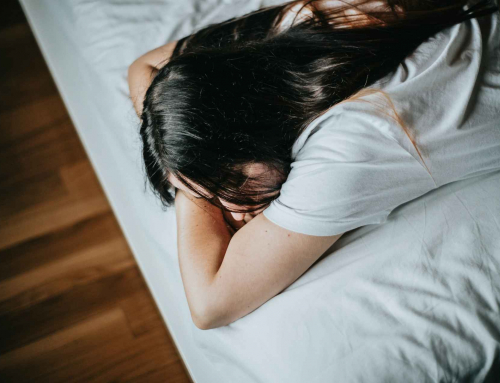
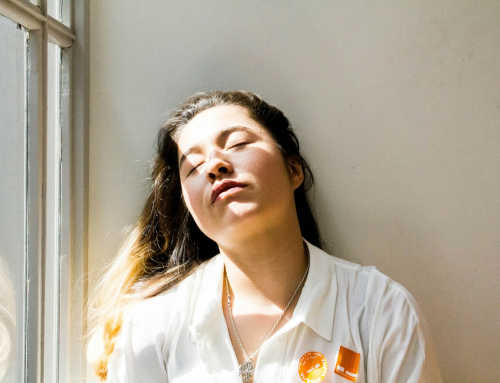
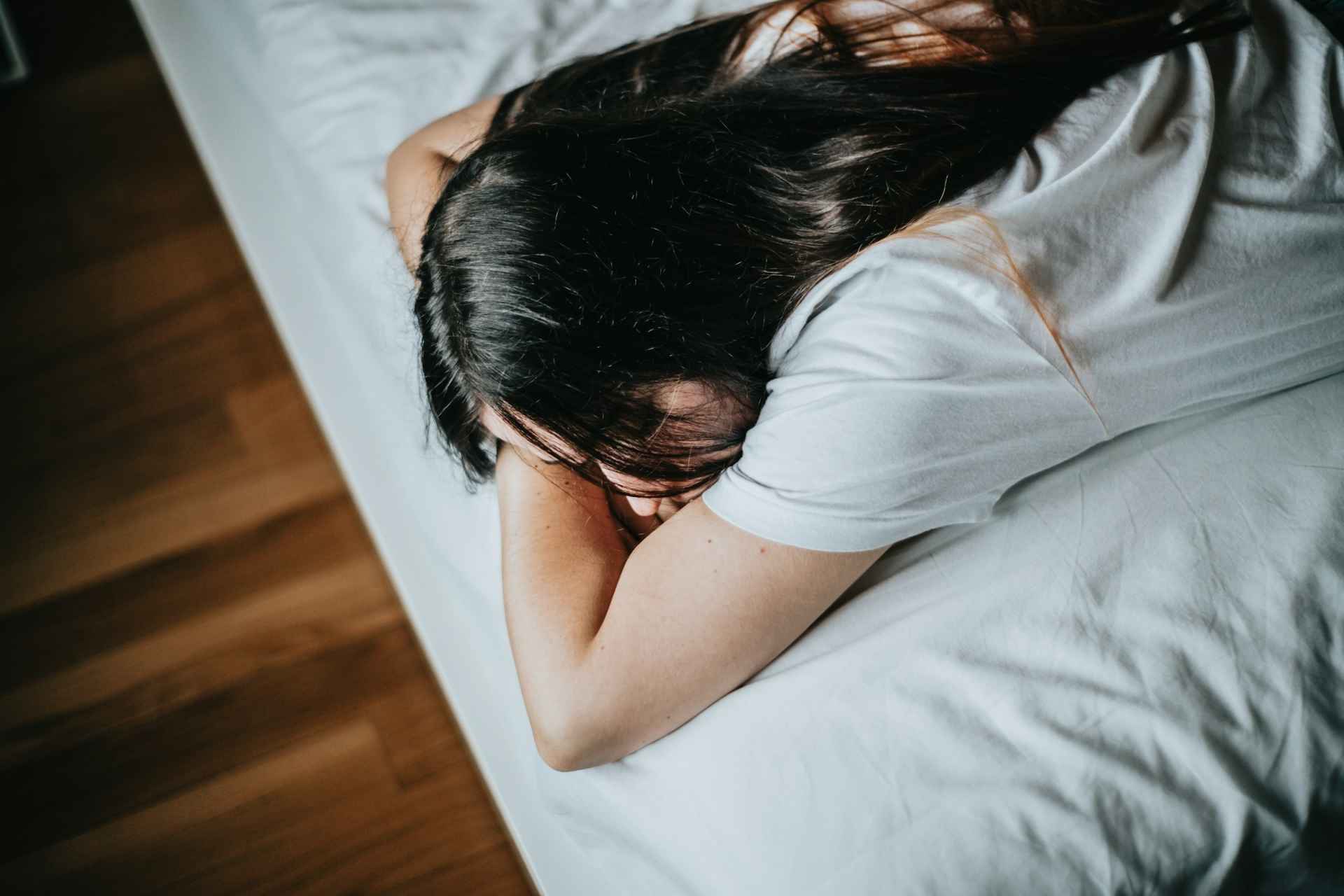
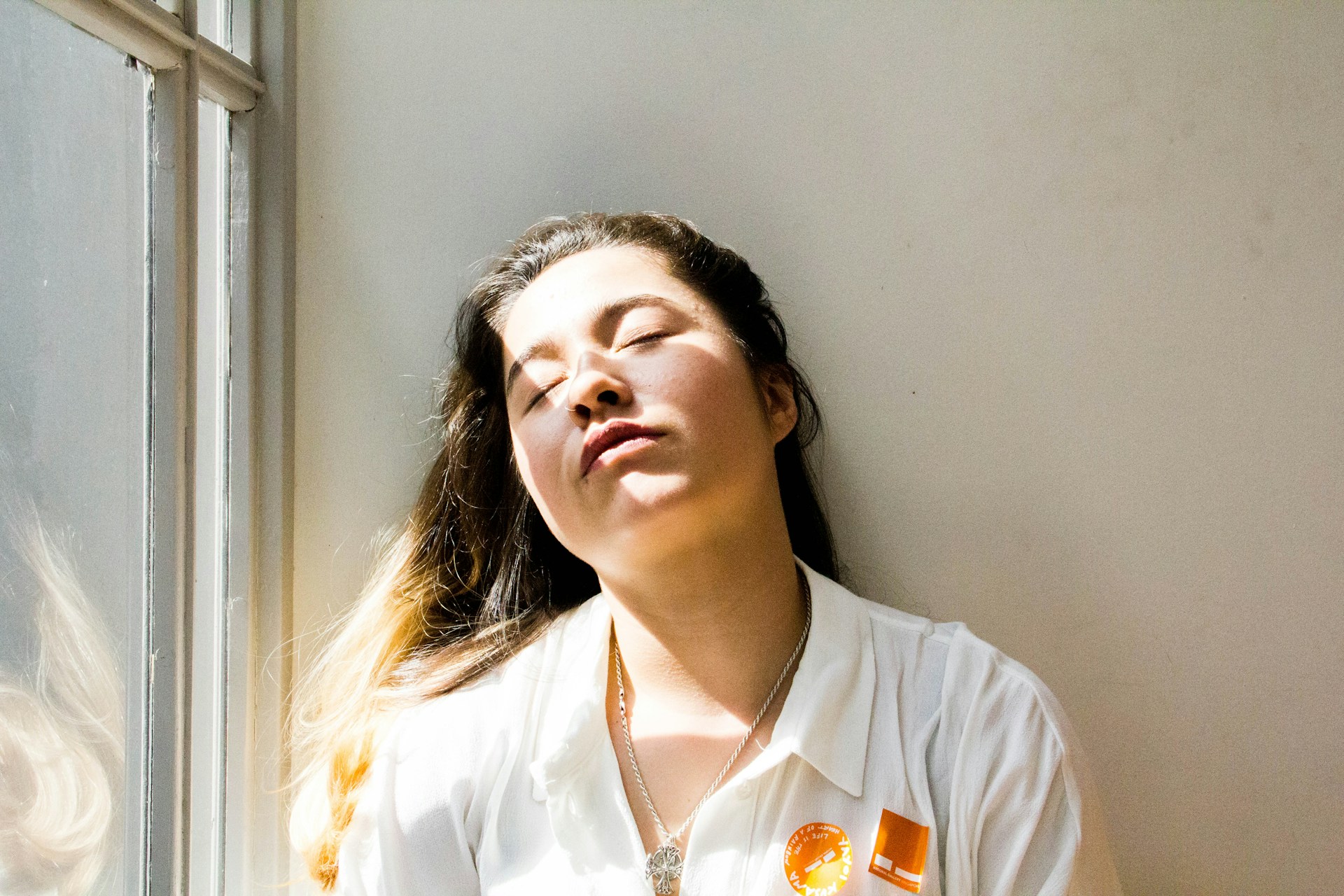
An emotionally abusive relationship can do a lot of damage to a person. Being constantly criticized or belittled can leave you feeling incapable and helpless. It knocks your confidence and sense of self-worth. You’re also left with a diminished ability to trust your own judgment, making it harder to make decisions or express your opinion. You might even feel confused about your thoughts and feelings.
Experiencing emotional abuse can cause stress, emotional, and mental turmoil. Those struggles can contribute to developing and worsening mental health problems like depression and anxiety. Emotional abuse can also worsen your well-being by isolating you, which cuts you off from your support network. Lastly, it can also result in health issues like disrupted sleep, headaches, and problems with your digestion.
Recovering from an Emotionally Abusive Relationship
When you’ve been emotionally abused, that doesn’t have to define who you are or shape your everyday reality. It’s possible to overcome the effects that emotional abuse has on you. The first step is to recognize and acknowledge that you’re in an emotionally abusive relationship. If you have a gut feeling that things aren’t right, don’t ignore that. Take the necessary next steps to address the situation, including educating yourself about emotional abuse.
You can carve out and allow yourself room to grieve, not only the relationship and whatever hopes you had for it, but also for your loss of safety and the damage the relationship caused you. Taking care of yourself should be a priority, and that includes hobbies that bring you joy, and activities like exercise that nurture your well-being. Whether it’s running, swimming, roller-skating, or gardening, do what helps you relieve stress and elevate your mood.
Recovering from emotional abuse also requires taking steps to rebuild your self-esteem. Being constantly criticized can leave you with a running commentary in your mind, and negative self-talk becomes a feature. Learn to pause, speak compassionately to yourself, and challenge the negative thoughts running through your mind. Pray over your thoughts, replacing those negative thoughts with words from Scripture.
Rebuilding your self-esteem may also involve setting healthy boundaries to curb further abuse and to give yourself space to do the kinds of things that help you regain confidence. For instance, learning a new skill, enrolling for a class, or completing a project can help you rediscover and reconnect with your gifts and abilities.
Other steps you can take to recover from an emotionally abusive relationship include creating new routines that help you to be more independent and self-sufficient. You don’t have to do this alone; seek support from trusted loved ones. Having someone with whom you can share your experiences can bring emotional relief and play an important role in coping. There are also support groups and online forums where you can meet others on a similar journey.
If your partner or spouse doesn’t want to make any changes, it could require you to make the hard decision to leave the relationship. It’s important to develop a safety plan so that you can leave safely. This may involve speaking with a trusted loved one or an organization that helps survivors of emotional abuse. The plan may require having important documents ready, a safe place to stay, financial resources, and a support network.
You should also seek professional help and support in the form of a counselor or therapist with training in addressing emotional abuse and recovery. Your counselor can help you process your thoughts and emotions, and they can walk with you to develop personalized coping mechanisms and strategies to heal and begin rebuilding your life.
To learn more and schedule an appointment with me or one of the other counselors in our online directory, contact our office today.
Photo:
“Sitting on the Shore”, Courtesy of Rebe Pascual, Unsplash.com, CC0 License;